A Conversation with Laura Wilson: Health Architect and Cofounder of Swiss Touch
Laura Wilson is a Health Architect, Specialist Physiotherapist and Cofounder of Swiss Touch. In this conversation she explains what that title means, why so much of her work centres on complex cases, and how continuity, prevention and root cause thinking shape the care she provides.
You describe yourself as a Health Architect. What does that mean, and how is it different from a physiotherapist?
The title reflects how I actually work. A physiotherapist treats what is in front of them. My role is broader than that. I look at the whole structure of a person's health, how the pieces fit together, where the strain is really coming from, and how each part of their care connects to the next. I am as interested in designing the plan and coordinating the people around a client as I am in the hands on treatment itself. Architecture felt like the right word, because good health, like a good building, depends on sound foundations and a considered design rather than a series of quick repairs.
Your work centres on complex cases. What does a complex case usually look like?
Often it is someone who has already seen several excellent specialists and still does not feel well. The picture is rarely a single injury. It might be a longstanding problem that has never quite resolved, layered with the compensations the body has made over years, alongside other health considerations that all influence one another. Complexity usually means the answer sits between disciplines rather than inside any one of them, and that is precisely the space I work in.
Much of your clientele is international and ultra high net worth. What do they need that they struggle to find elsewhere?
Continuity, discretion, and someone who genuinely holds the whole picture. Many of my clients have access to any specialist in the world, and yet the thing they are missing is the person who listens, connects the findings and stays with them over time. They move between countries and between practitioners, and things fall through the gaps. What I offer is one consistent relationship that travels with them and makes sense of everything else.
What is your philosophy of care?
That having access to brilliant specialists does not always translate into feeling well. The missing piece is usually someone who understands how every aspect of a person's health connects, and who is willing to look for the root cause rather than treat the symptom in front of them. Joining those dots is the heart of what I do.
Prevention comes up often in how you talk about health. Why does it matter so much?
Because by the time most people come to see someone, the problem has been building quietly for a long time. The musculoskeletal system is often the first place that strain shows itself, which makes it a valuable early signal and a natural entry point into a wider, more preventative approach to health. My clients tend to come for an injury and stay for prevention, because once they understand their own body they would rather protect it than keep repairing it.
You work alongside consultants, surgeons and specialists. How do you see your role within that network?
As the person who connects it. I have real respect for the specialists I work with, and I refer readily. My value is not in competing with them but in making sure their expertise is used well, sequenced sensibly, and translated into something the client can actually follow. Someone has to hold the thread through all of it, and that is the part I take most seriously.
How do you ensure the same standard of care across your clinics and your team?
Through training and a shared way of thinking. Every clinician in the practice is mentored to the same standard through a structured, ongoing programme, so that whether a client is seen in London or in Verbier, the depth of assessment and the focus on treating the root cause are the same. Consistency of care is not an accident. It is built deliberately, and it is one of the things I am most proud of.
You founded The Verbier Touch and now work across the United Kingdom and Switzerland. How does that corridor shape your work?
My clients live and travel between those two worlds, so it makes sense that their care should too. Verbier gave the practice more than twenty years of foundations and a very loyal international following, and London extended that into everyday life for the same families. Being present in both means the relationship does not stop when someone crosses a border, which for this clientele matters a great deal.
You competed in athletics at a national level. How does that inform the way you treat people?
It taught me what it feels like to ask a great deal of your body, and how fine the margins are between performing well and breaking down. Running at that level gave me an instinct for movement and for prevention that has stayed with me ever since. It also gave me a lasting respect for how much people are capable of at any age, provided they are guided well.
What do you wish more people understood about their own health?
That the body is far more adaptable than most people assume, and that it is rarely too late to change its direction. Bone, muscle and movement all respond to how we treat them. Understanding that, and being shown what to do with it, is often the difference between quietly managing decline and genuinely improving.
Finally, what does living well look like to you?
Feeling strong and capable in your own body, and having the understanding to keep it that way. For me it also means time in the mountains, movement every day, and my family close by. The clinical and the personal are not really separate. They are the same pursuit.
Ready to Start Your Recovery Journey?
Book an appointment with our expert physiotherapists at our Mayfair or Kensington clinic.
Book AppointmentContinue Reading
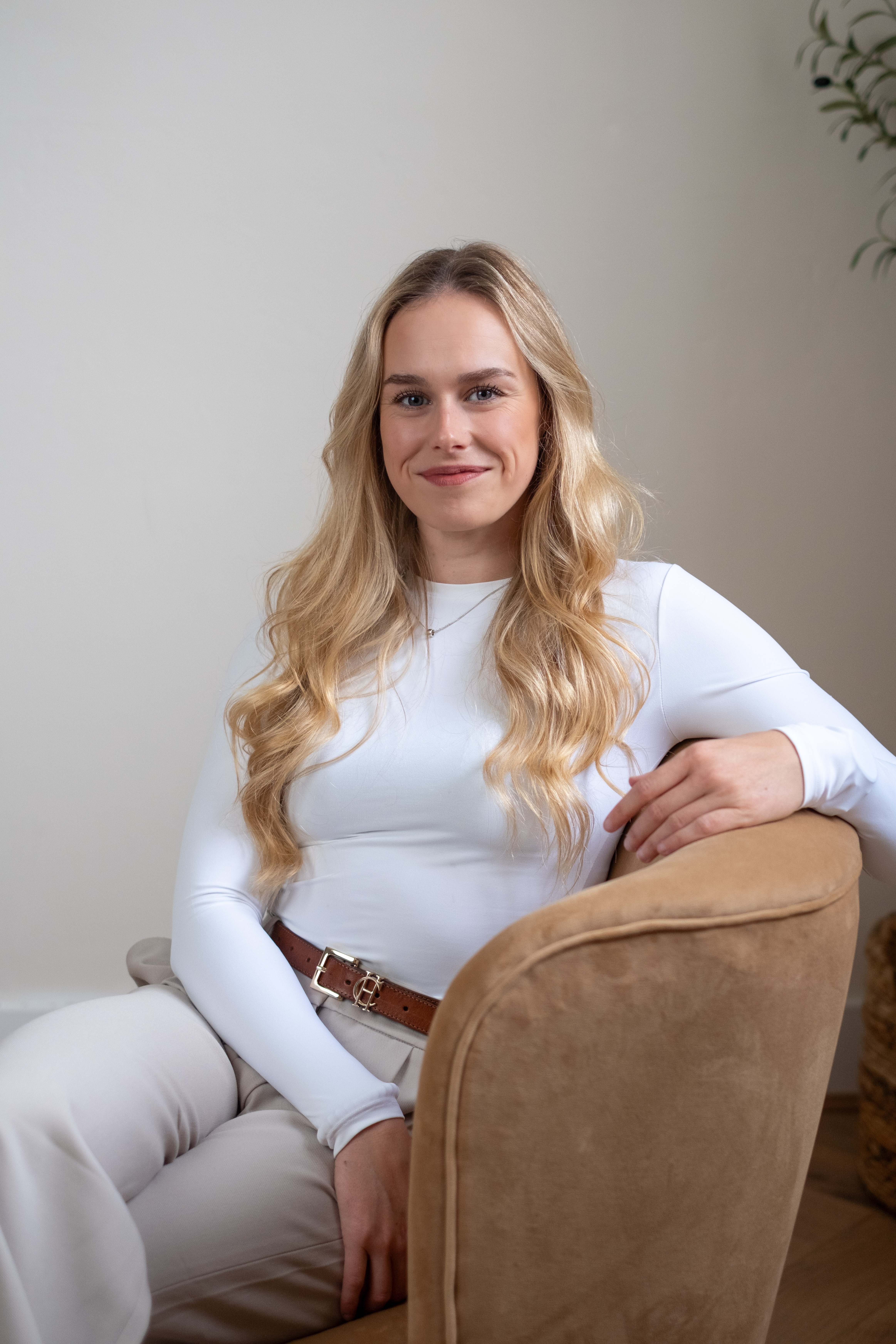
Getting to Know Our Team: Beth
At Swiss Touch, the relationship between a patient and their physiotherapist sits at the heart of everything we do. So we thought it was about time we introduced you properly to the people behind that care. First up, we sat down with Beth to find out a little more about her background, her approach, and what makes her tick outside of the clinic.
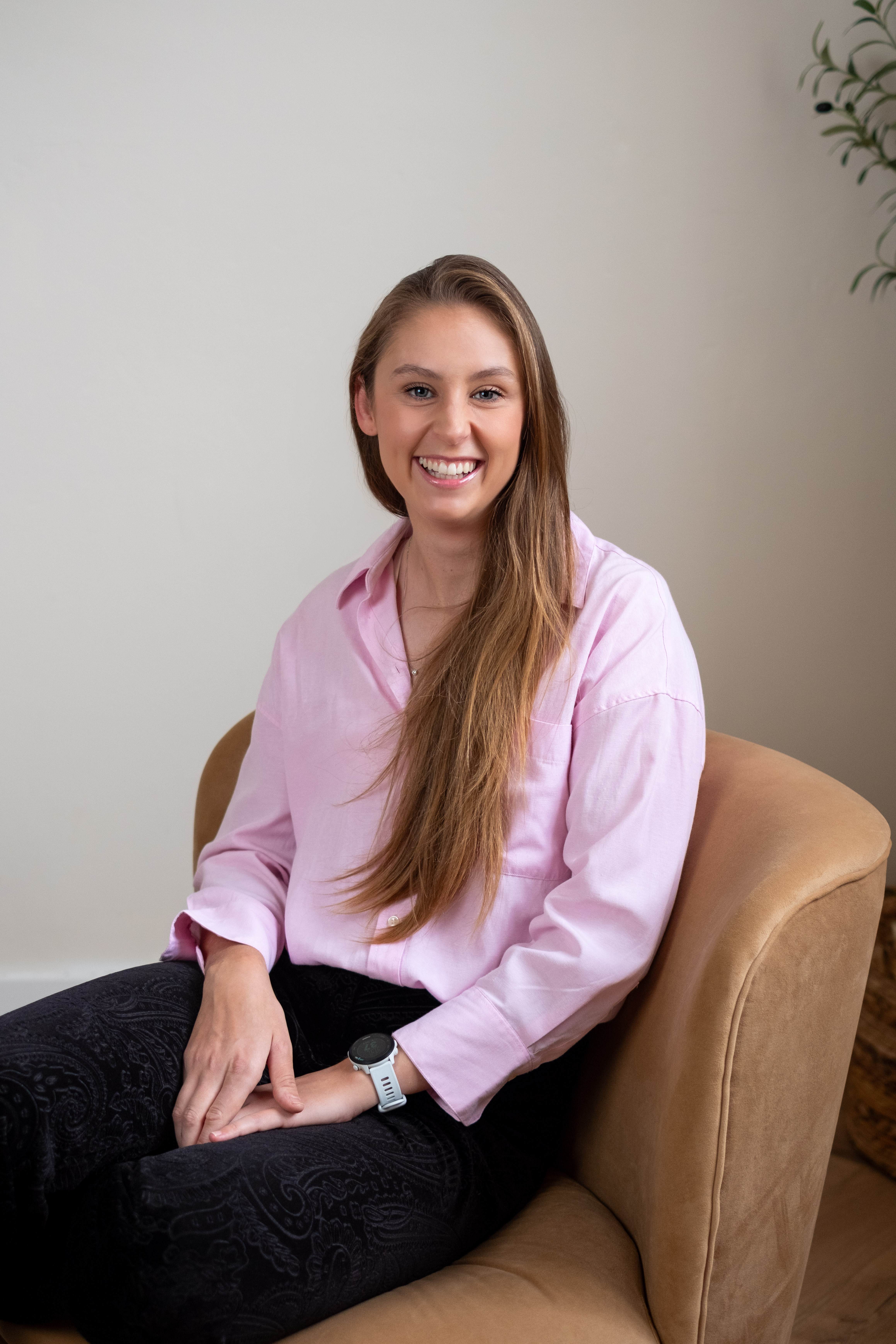
Getting to Know Our Team: Georgie
At Swiss Touch, the relationship between a patient and their physiotherapist sits at the heart of everything we do. Continuing our series introducing the people behind that care, we sat down with Georgie, Senior Physiotherapist at our Kensington clinic, to find out more about her background, her approach, and what makes her tick outside of the clinic.