Back Pain Physiotherapy in Mayfair: Why Most Back Pain Is Being Treated at the Wrong Level
Why back pain is rarely just about the back
The distinction matters because back pain that is managed rather than resolved has a well documented tendency to return, usually at a worse point in the patient's schedule and with a greater degree of structural involvement than the original episode. Understanding why requires looking beyond the symptom to the clinical picture that produced it.
The lumbar spine does not fail in isolation. When a patient presents to Swiss Touch with back pain, the assessment begins not with the site of pain but with the full picture of how the body is loading and moving. The hip that lacks rotation. The thoracic spine that has lost mobility and is transferring demand to the lumbar segments below. The deep stabilising musculature that has been inhibited, often for years, by a pattern of sedentary work, previous injury, or the chronic postural adaptation that comes from living and working under sustained pressure.
These are not peripheral findings. They are, in the majority of cases, the reason the back hurts. Treating the back without addressing them produces temporary relief. Addressing them produces lasting change.
The particular back pain profile of our Mayfair and Kensington patients
The patients who come to Swiss Touch with back pain are, as a group, physically active, professionally demanding, and operating under significant load. They sit at desks and in aircraft. They ski, play tennis, ride. They carry the particular postural and neurological burden of lives lived at considerable pace, and their back pain reflects that combination in ways that a standard clinical protocol does not always account for.
At Swiss Touch, every back pain presentation is assessed with VALD HumanTrak movement screening, providing objective data on the strength asymmetries, movement restrictions, and loading patterns that are contributing to the problem. The treatment programme is built from that data, targeted, specific, and designed around the individual's body and the life it is required to sustain.
What genuinely resolving back pain requires
Hands on manual therapy to address the immediate pain and restore mobility. Specific rehabilitation to rebuild the deep stabilising function that protects the lumbar spine under load. Movement retraining to correct the patterns that produced the problem. And honest clinical conversation about the lifestyle factors, load, stress, sleep, the pace of recovery between physical demands, that are making the back more vulnerable than it should be.
At Swiss Touch, we do not consider a back pain case resolved until the patient's movement tells us it is. Not when the pain has subsided, not when the programme has been completed, but when the objective assessment shows that the structures responsible for protecting the spine are doing their job.
For patients in Mayfair, Kensington, and the surrounding areas, Swiss Touch offers physiotherapy for back pain that addresses the full clinical picture. We would be glad to discuss what that looks like for you specifically.
*Swiss Touch, Physiotherapy and Movement Medicine, Mayfair and Kensington, London.*
Ready to Start Your Recovery Journey?
Book an appointment with our expert physiotherapists at our Mayfair or Kensington clinic.
Book AppointmentContinue Reading
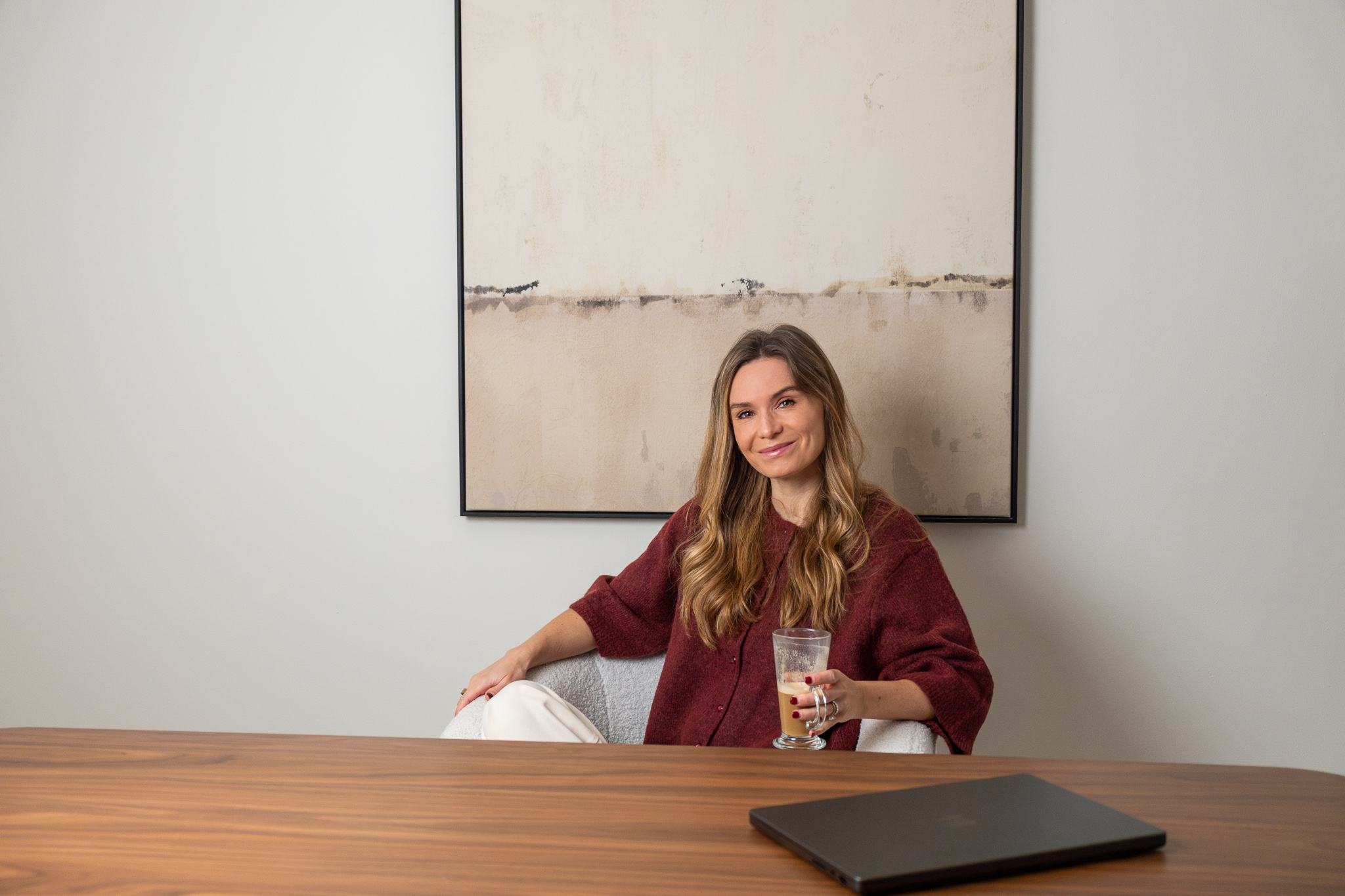
A Conversation with Laura Wilson: Health Architect and Cofounder of Swiss Touch
Laura Wilson describes herself as a Health Architect. In this conversation she explains what that means, why she works between disciplines rather than inside any one of them, and how continuity, prevention and root cause thinking sit at the heart of the care she provides to a complex, international clientele.
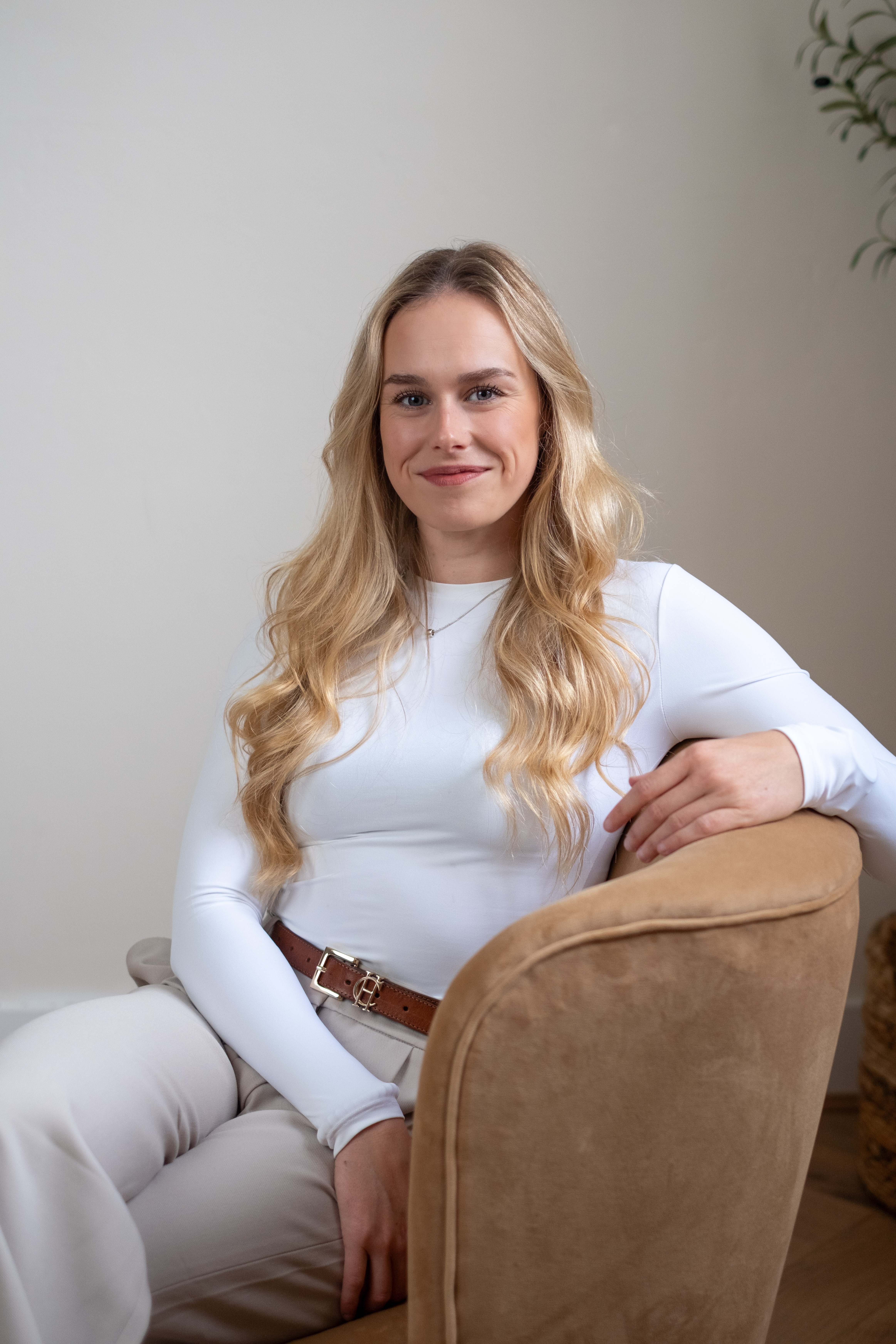
Getting to Know Our Team: Beth
At Swiss Touch, the relationship between a patient and their physiotherapist sits at the heart of everything we do. So we thought it was about time we introduced you properly to the people behind that care. First up, we sat down with Beth to find out a little more about her background, her approach, and what makes her tick outside of the clinic.