The Swiss Touch Approach: What Physiotherapist Led Care Looks Like When It Is Done Properly
A Different Model of Care
There is a version of physiotherapy that has become, through the particular pressures of high demand clinical environments, somewhat reduced from what the discipline is capable of being. Appointments are short. Caseloads are high. The clinician in the room is competent, and well intentioned, and genuinely doing their best within a structure that does not always permit their best to be fully expressed. The patient receives adequate care, and they know, in the way that people who have experienced genuine quality always know, that adequate is not the same thing.
Swiss Touch was built around a different model, one that its founders brought from over two decades of clinical practice in Verbier, and one that has shaped every decision made about how the London clinics operate. It is worth describing that model in some detail, because the difference between physiotherapy as it is often practised and physiotherapy as Swiss Touch practises it is not merely a difference of degree. It is, in several important respects, a difference of kind.
The Clinical Relationship as the Unit of Care
At Swiss Touch, the fundamental unit of care is not the appointment. It is the clinical relationship, the accumulated knowledge of a patient that a senior physiotherapist develops over time, and through which genuinely precise and personalised clinical decisions become possible. This relationship begins before the first appointment, with a thorough review of everything clinically relevant that is known about the patient, and it develops with each subsequent session in ways that compound in value over time.
The practical implication of this is that a patient at Swiss Touch will be seen by the same senior clinician at every appointment, without exception, for the duration of their care. This is not a policy designed for patient comfort, though it contributes to that. It is a clinical position, grounded in the understanding that the quality of clinical decision making is directly related to the depth of clinical knowledge, and that depth of knowledge is only available within a sustained and continuous relationship.
Precision Over Protocol
Generic physiotherapy protocols exist because they represent a reasonable average response to a common presentation. They are useful, and in high volume settings they are often the best that is possible. At Swiss Touch, they are the starting point rather than the programme, the baseline of clinical knowledge from which a genuinely individualised approach departs, informed by what the assessment has revealed about this patient, this body, and this particular set of circumstances.
Movement quality is assessed with the precision of a clinician who understands that the way a body moves under load is both the most revealing clinical data available and the most important thing to change. Strength asymmetries, compensatory patterns, and structural vulnerabilities are identified not as findings to be noted but as problems to be addressed systematically, in the right order, with the right tools. Programme progression is managed continuously rather than predetermined, advancing when the body is ready and adjusting when clinical judgement indicates that a different direction is required.
Communication as a Clinical Responsibility
At Swiss Touch, the responsibility of the physiotherapist does not end at the boundary of the treatment room. We correspond directly with referring consultants and members of the wider clinical team as a matter of course, contribute to multidisciplinary records where appropriate, and communicate proactively when a patient's presentation warrants it. For the medical concierge professionals and specialist physicians who refer their most demanding patients to us, this quality of communication is not a secondary consideration. It is part of what makes a referral to Swiss Touch a referral that can be made with complete confidence.
A Standard Held Across Two Countries
The Swiss Touch approach was not developed in London. It was brought to London from Verbier, where Verbier Touch has practised physiotherapy and wellness to the same standard for over two decades, for an international clientele whose expectations have never permitted anything less. The continuity between the two practices, in standards, in clinical culture, and in the physical movement of patients between them, means that a patient who comes to Swiss Touch is entering a clinical environment whose character has been shaped by twenty years of experience and refined, continuously, in response to the demands of the most discerning patients in the world.
This is what physiotherapist led care looks like when it is done properly. We do not believe it requires any further description.
*Swiss Touch London, Physiotherapy and Movement Medicine*
*Mayfair and Kensington, London*
Ready to Start Your Recovery Journey?
Book an appointment with our expert physiotherapists at our Mayfair or Kensington clinic.
Book AppointmentContinue Reading

A Conversation with Laura Wilson: Health Architect and Cofounder of Swiss Touch
Laura Wilson describes herself as a Health Architect. In this conversation she explains what that means, why she works between disciplines rather than inside any one of them, and how continuity, prevention and root cause thinking sit at the heart of the care she provides to a complex, international clientele.
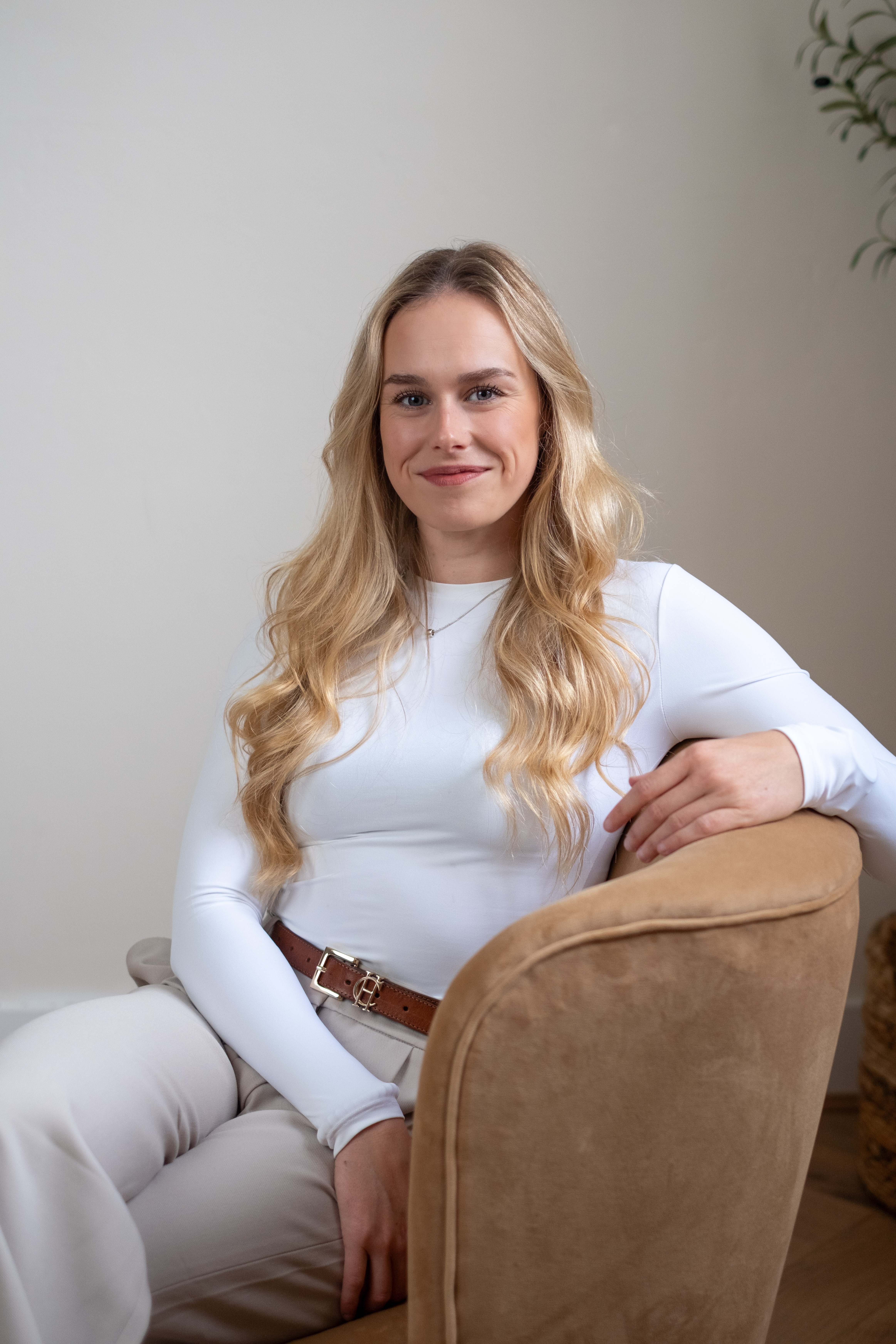
Getting to Know Our Team: Beth
At Swiss Touch, the relationship between a patient and their physiotherapist sits at the heart of everything we do. So we thought it was about time we introduced you properly to the people behind that care. First up, we sat down with Beth to find out a little more about her background, her approach, and what makes her tick outside of the clinic.